FORSAID organises its second hands-on demonstration workshop on forest pest monitoring in Portugal
The FORSAID project’s series of in-person demonstration workshops, which kicked off in Italy this June, continued in Portugal on 10 September 2026. The format represents a crucial aspect of the initiative’s efforts to develop, test and employ innovative technologies for the detection and monitoring of forest pests. This particular edition was organised by the Forest Research Centre (CEF), a member of the FORSAID consortium, in collaboration with UNAC - União da Floresta Mediterrânica, an association representing forest producers. Observatório do Sobreiro e da Cortiça (the Cork Oak and Cork Observatory) in Coruche served as the host, with the half-day event attracting 30 participants. Among them were forest producers and associations representing them, public-sector forest technicians and forestry researchers. Proceedings were held in both Portuguese and English.
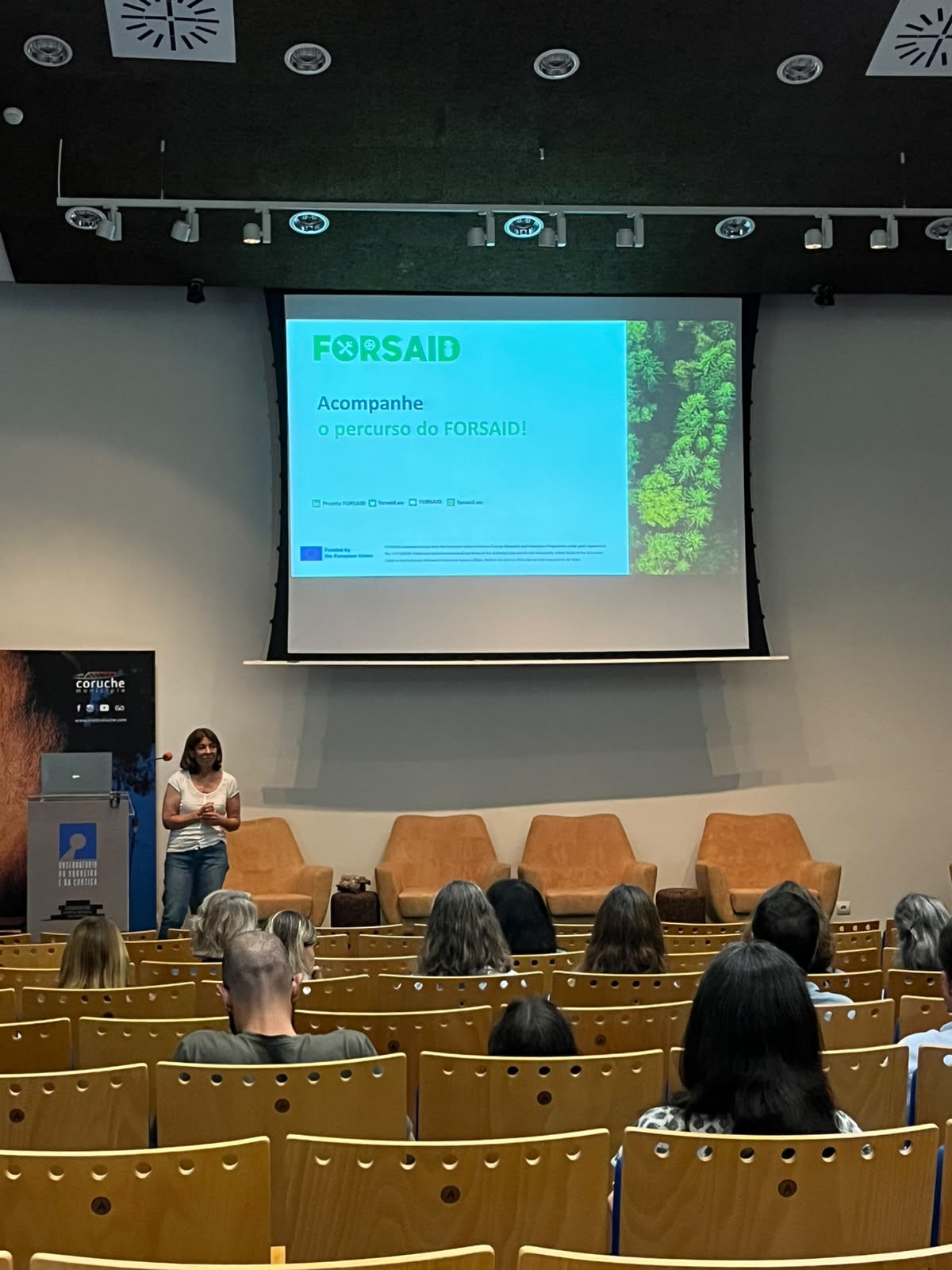
As for the agenda itself, the programme began with an introduction to the risks of biological invasions in forests. This was accompanied by a presentation of the FORSAID project and its pest monitoring solutions.
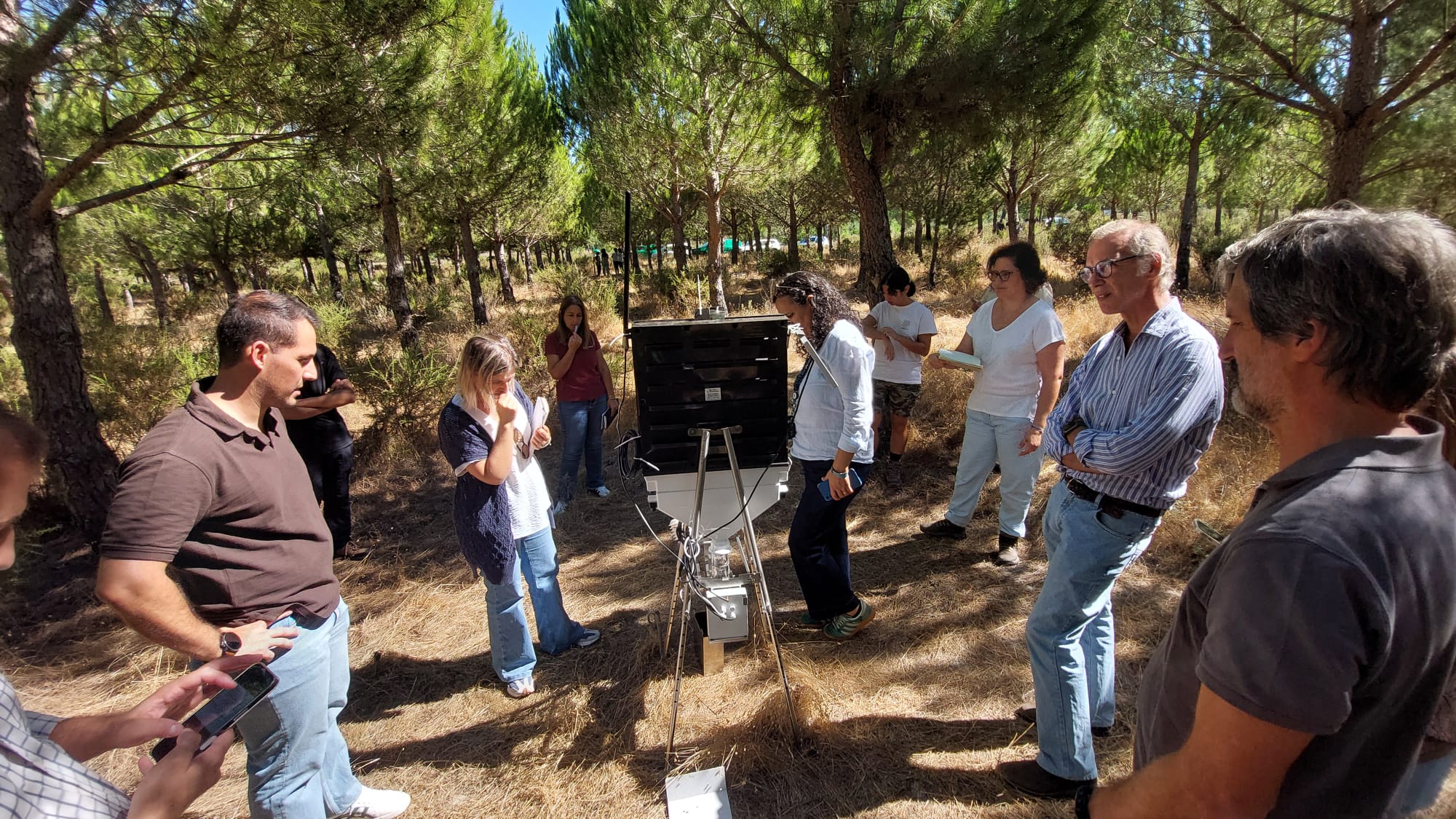
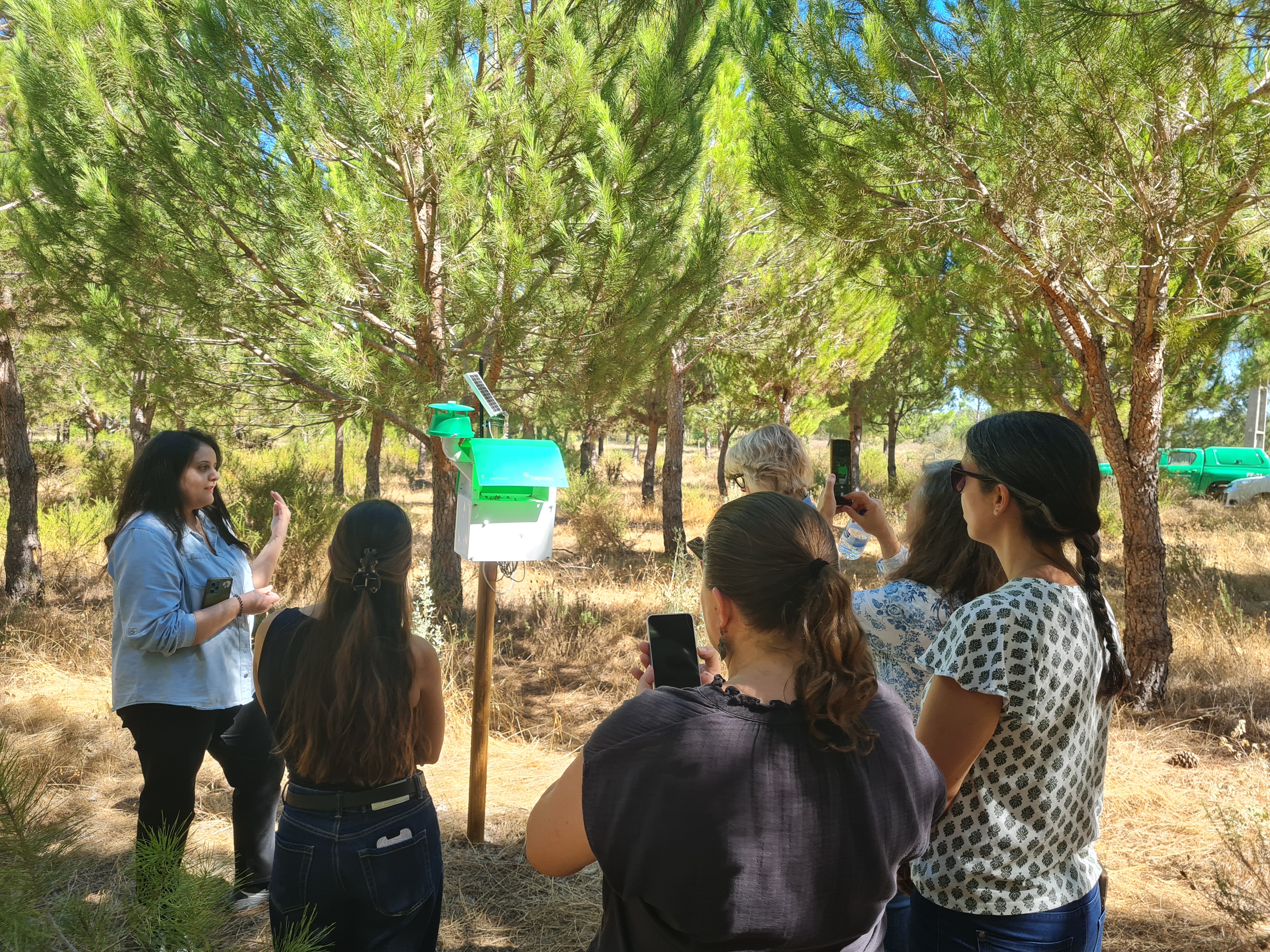
The field demonstration that followed then turned the attention towards smart traps and drone-based remote sensing.
More specifically, participants could learn about the Entomoscope, a low-cost photomicroscope that captures images of insects for automatic identification. They were also given a demonstration of the devices developed by Trapview, which allow for the real-time monitoring of the bark beetle Ips sexdentatus.
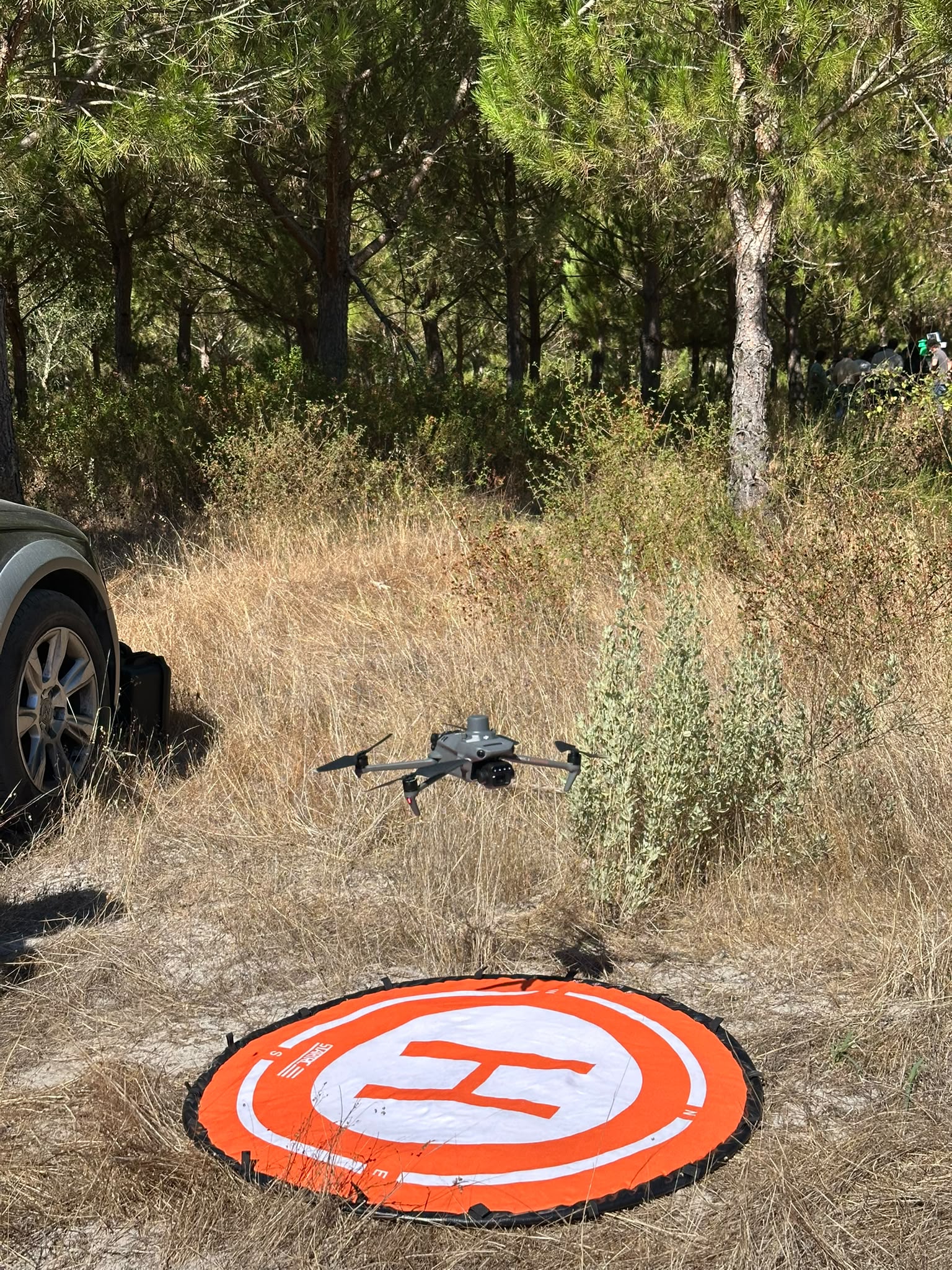
Last but not least, an introduction to aerial remote sensing with drones was also facilitated. Based on AI image processing, this approach targets the pine wood nematode (Bursaphelenchus xylophilus).
Proceedings concluded with a joint assessment of the presented tools, in which participants discussed their advantages and limitations, what they expect from them and how they see their deployment. There was broad agreement that, before long, these technologies could be of help in managing forest pests more broadly. In that sense, attendees asked whether the tools could also be applied to species beyond those shown during the workshop. At the same time, their present cost was singled out as the biggest obstacle and a proposal was made to pair them with more established methods.
With the workshop in Coruche, FORSAID gave local stakeholders a first-hand look at its innovative tools for forest pest monitoring. Moreover, it was also a chance to hear directly from those involved in managing this biome, what would help these solutions find their place in practice.