Objectives
What FORSAID Will Do
Target species of FORSAID
Bronze birch borer
Agrilus anxius
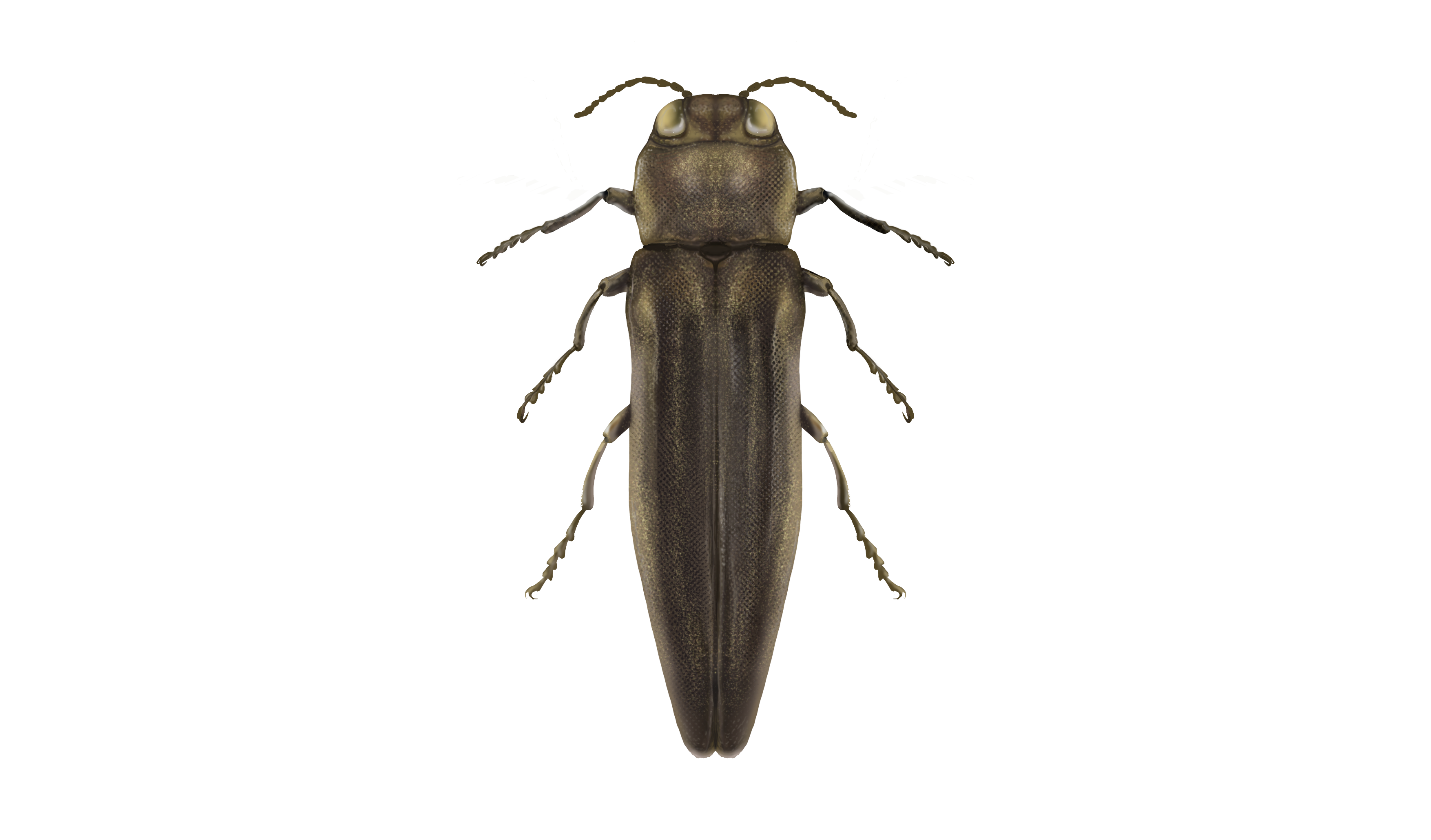
Agrilus anxius, the bronze birch borer, is a serious pest of birch (Betula) trees. Native to North America and not present in Europe, it is considered at risk of introduction because of the increasing trade of birch wood products. It is listed as a priority pest under Implementing Regulation 2019/1702.
This insect is difficult to discriminate from native Agrilus species – FORSAID will therefore look to automatic identification tools for beetles possibly caught in surveillance programmes.
Emerald ash borer
Agrilus planipennis
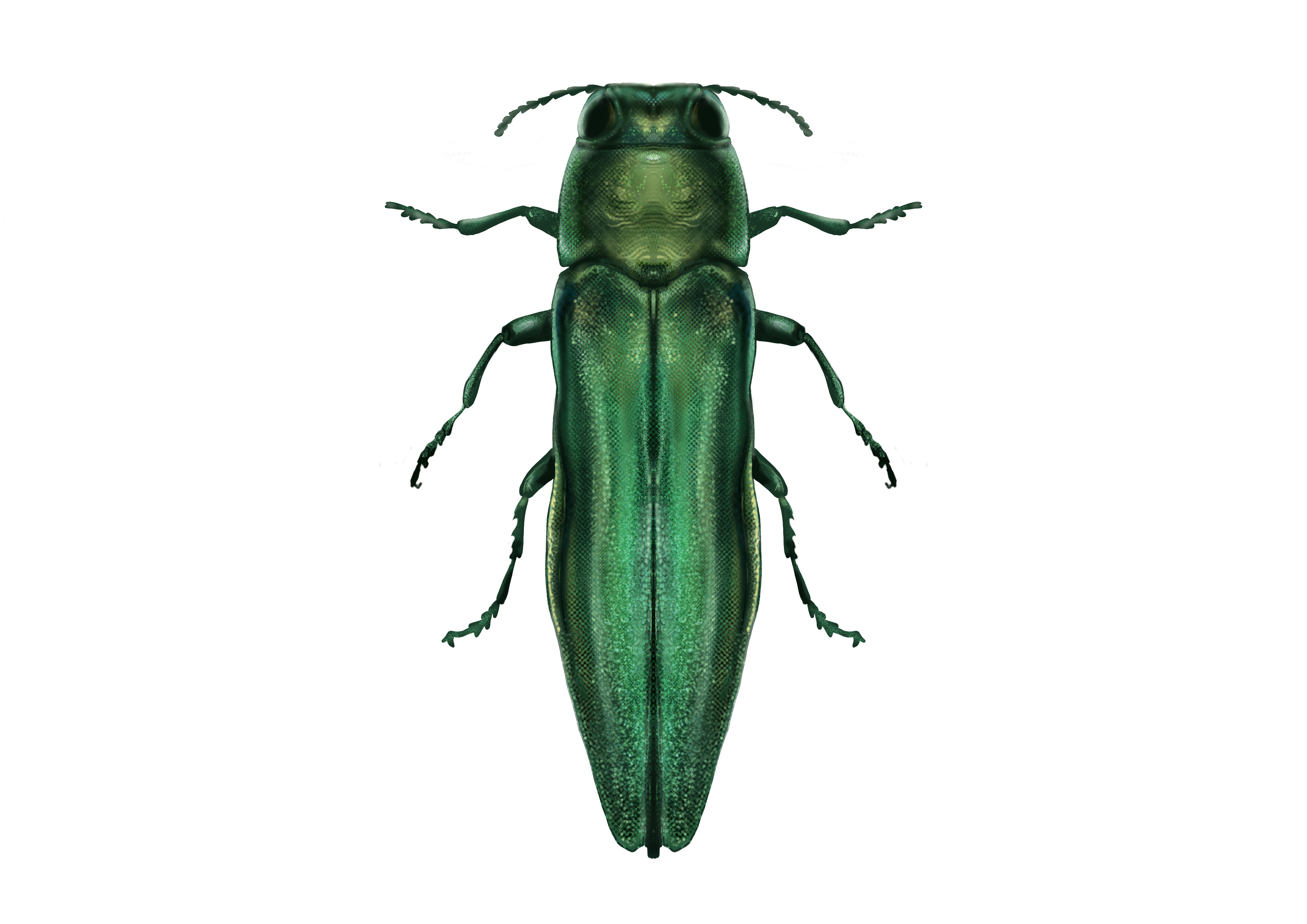
Agrilus planipennis, the emerald ash borer, is a woodboring beetle native to East Asia. It is highly invasive in North America as it caused a large-scale dieback of the American ash (Fraxinus). This insect was introduced in western Russia in 2003 and subsequently in Ukraine and Belarus. It is listed as a priority pest under Implementing Regulation 2019/1702 because of the threats posed to European ash species.
In FORSAID, early detection of the emerald ash borer will rely on proximal remote sensing, environmental DNA and automatic identification tools for beetles possibly caught in surveillance programmes.Oak lace bug
Corythucha arcuata
Corythucha arcuata, the oak lace bug, is an invasive species causing significant damage to oak (Quercus) forests. The insect was first detected in Europe (Italy) in 2000 and shortly afterward in Türkiye, spreading extensively across the Balkans and into Central Europe in the following years. It is not currently regulated as an EU quarantine pest, mostly because it is already widespread across many countries.
FORSAID partners will target this species using large-scale remote sensing analysis.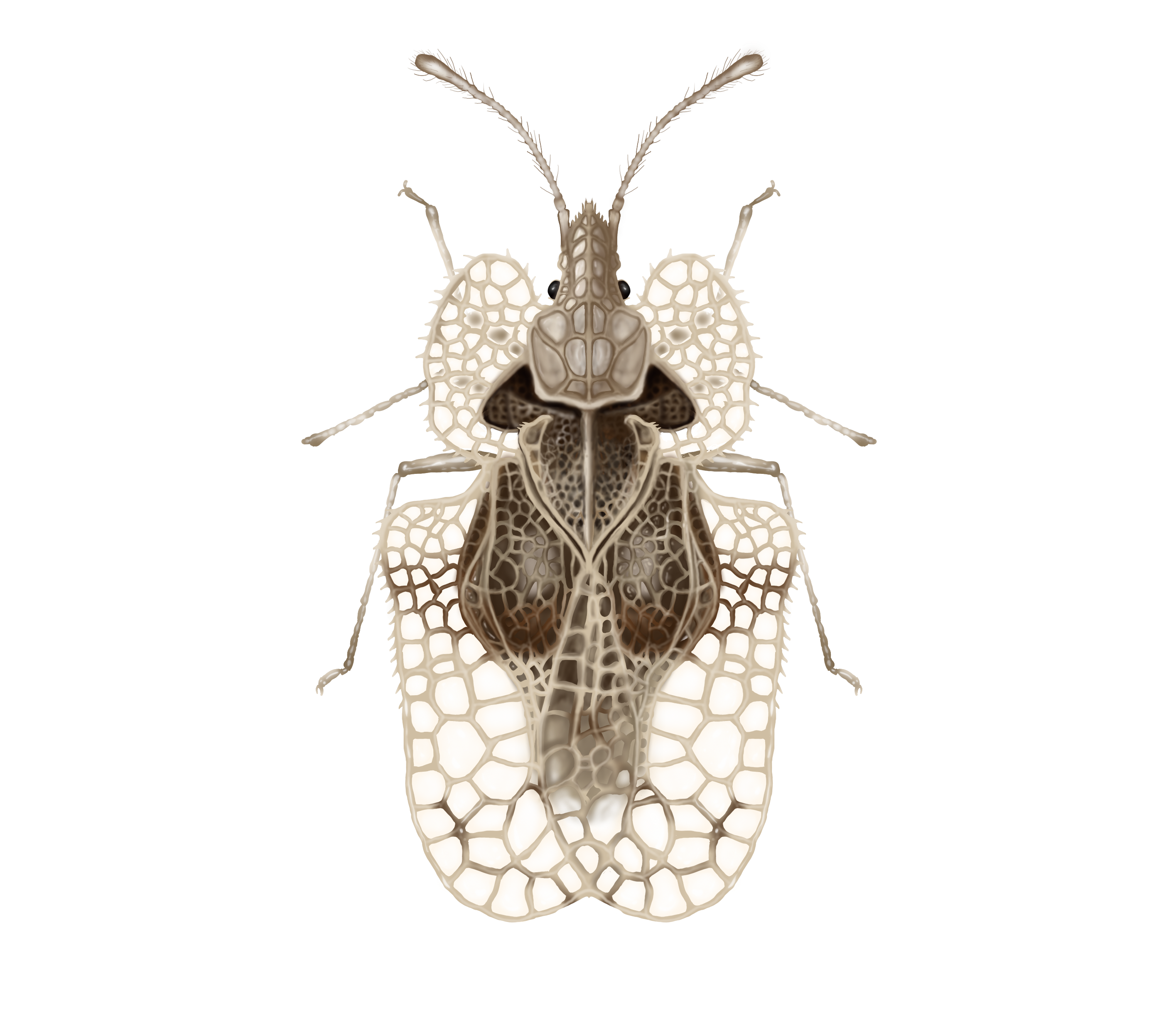
European spruce bark beetle
Ips typographus
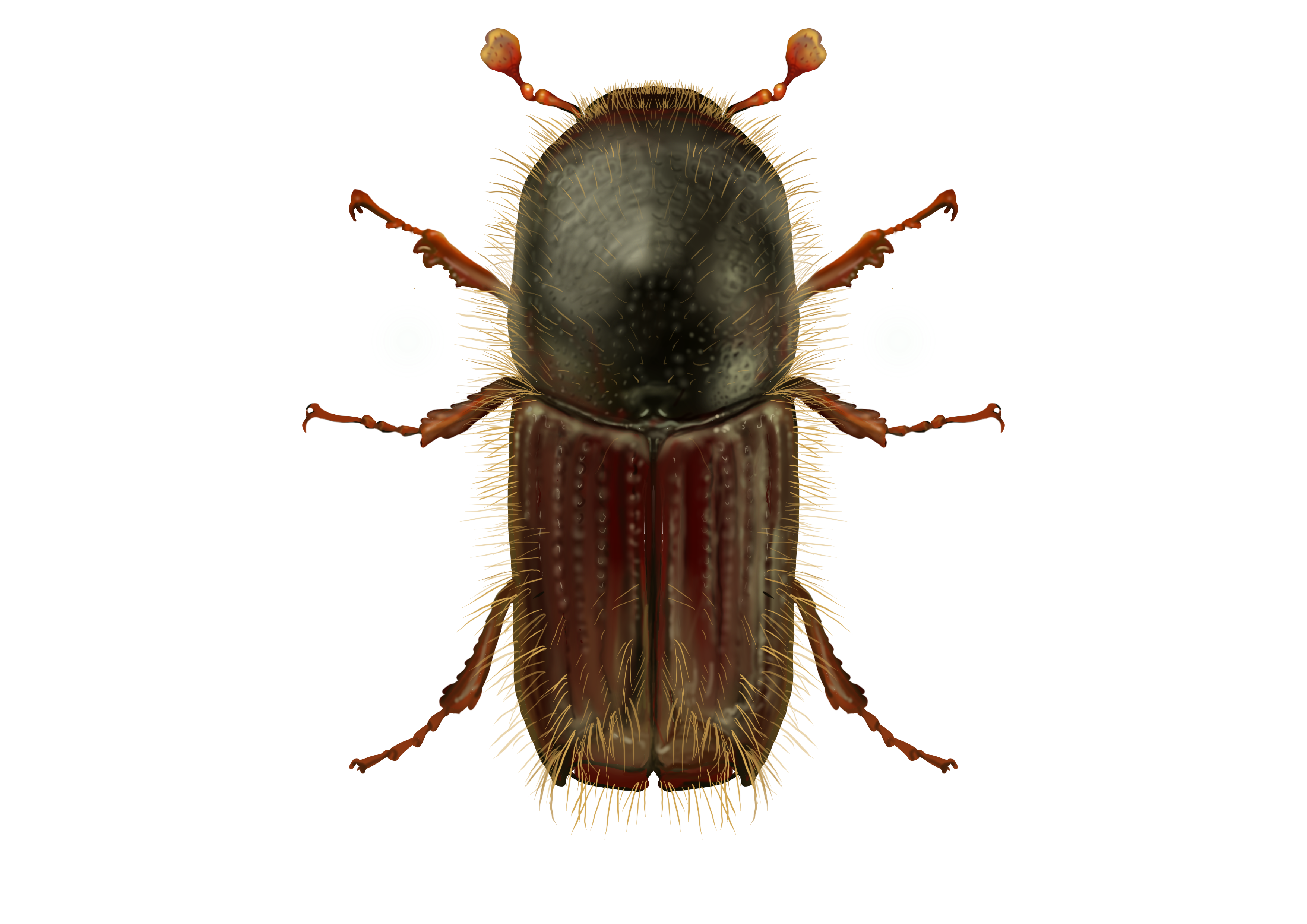
Ips typographus, the European spruce bark beetle, is among the most noteworthy forest pests in Europe. In recent decades, mass outbreaks of this species have resulted in extensive mortality of the Norway spruce (Picea abies). The pest is regulated under Annex III (Protected Zones) of Implementing Regulation 2019/2072.
As part of FORSAID, we will assess tree mortality caused by this insect through European-scale remote sensing. In addition, we will deploy smart traps and automatic identification systems to ensure quick and efficient monitoring.Pine processionary moth
Thaumetopoea pityocampa
Thaumetopoea pityocampa, the pine processionary moth, is the main defoliator of pine (Pinus) forests in southern Europe. It also poses a threat to public health as larvae are highly urticating. This species is regulated under Annex III (Protected Zones) of Implementing Regulation 2019/2072 and is considered a quarantine pest in some countries (such as the UK).
With this insect in mind, FORSAID will map defoliation areas using remote sensing at the European scale as well as test smart traps for monitoring.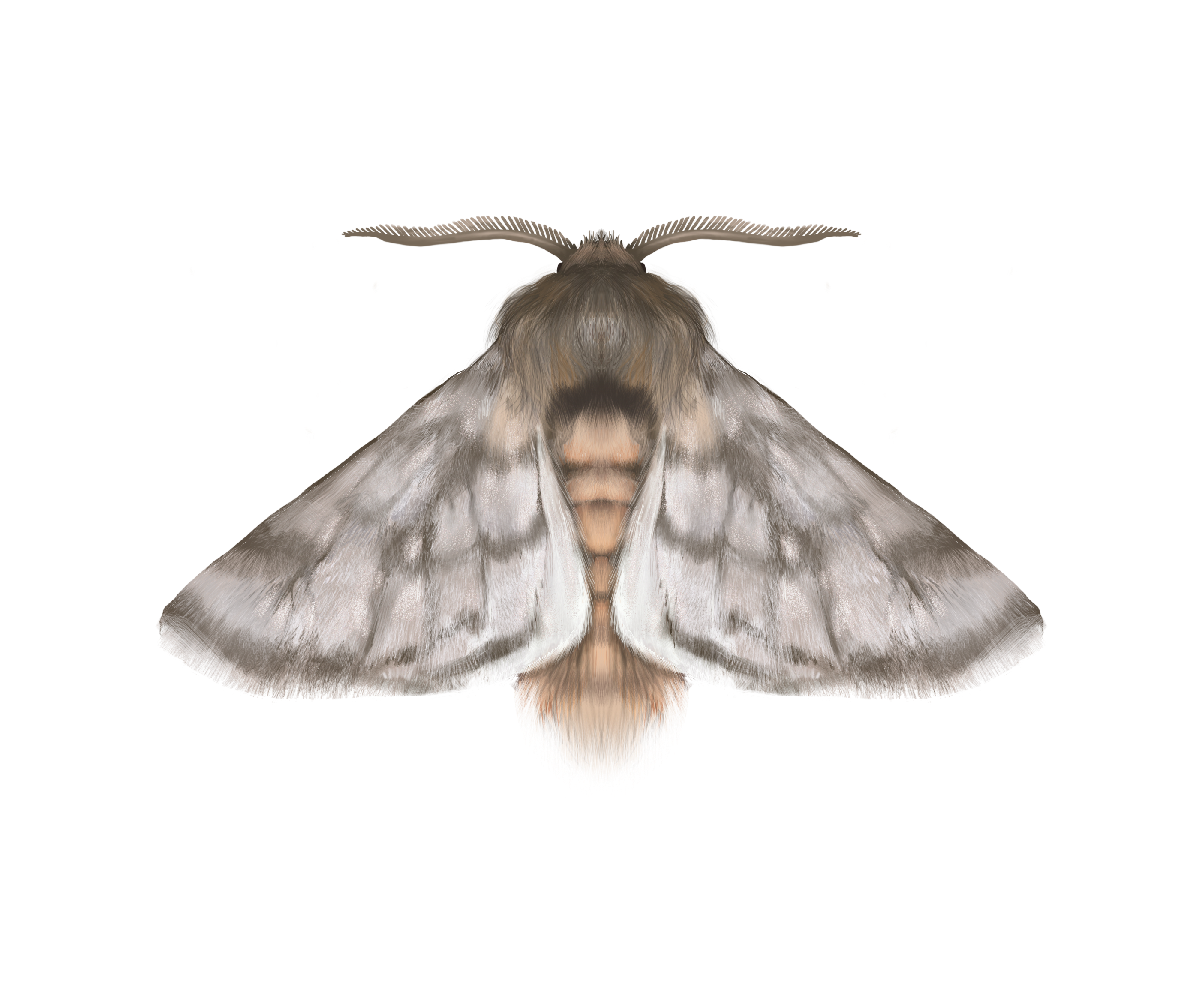
Oak processionary moth
Thaumetopoea processionea
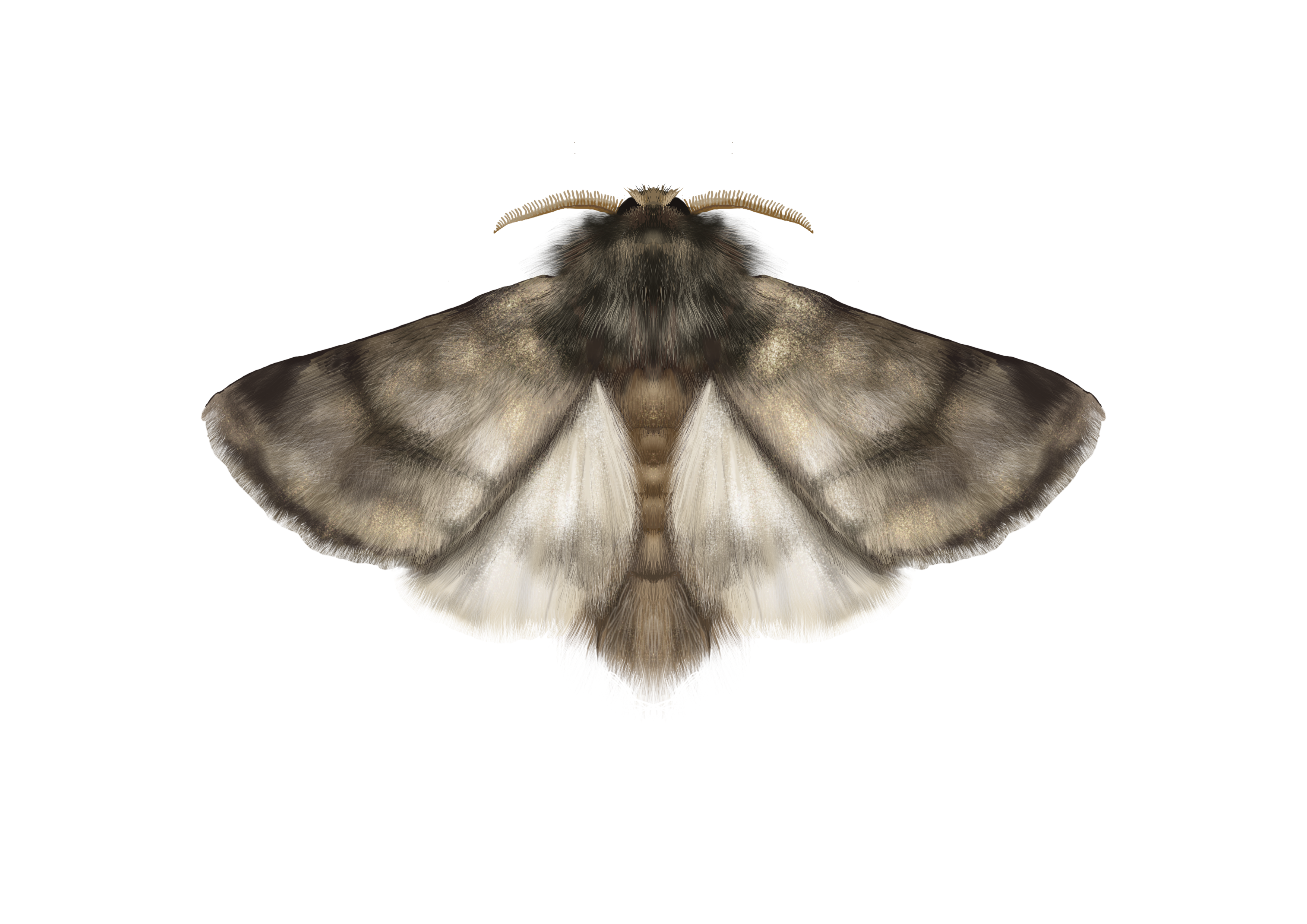
Thaumetopoea processionea, the oak processionary moth, is a major defoliator of oak (Quercus) trees and a threat to public health in Europe. It is regulated under Annex III (Protected Zones) of Implementing Regulation 2019/2072.
FORSAID will be testing smart traps for monitoring this species.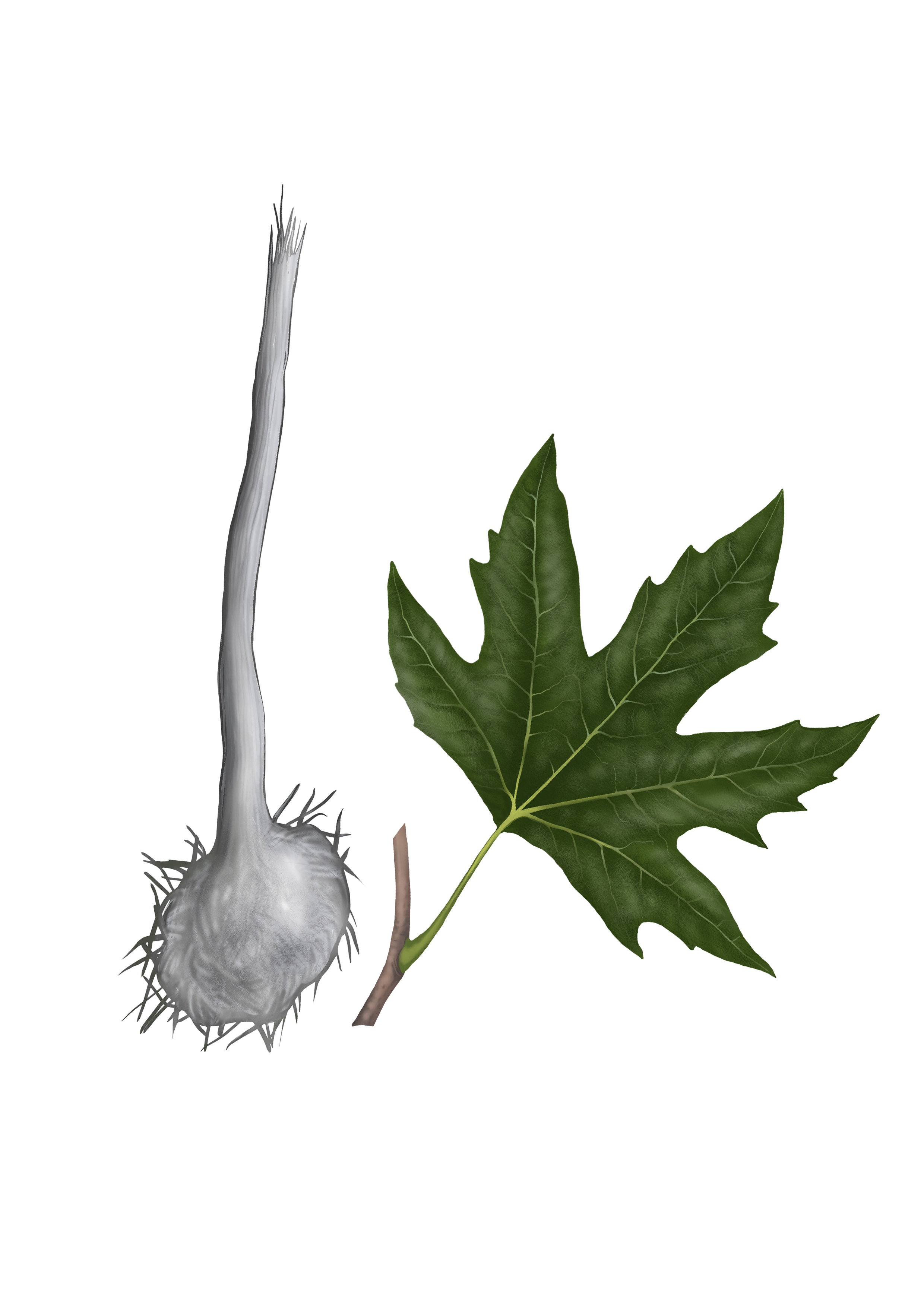
Canker stain disease
Ceratocystis platani
Ceratocystis platani is the causal agent of a lethal disease called canker stain disease, which is threatening plane (Platanus) trees in both urban and natural ecosystems in Albania, France, Greece, Italy, Switzerland and Türkiye. Native to North America, it has been established in Europe for decades. This fungus is regulated under Annex II (part B) of Implementing Regulation 2019/2072.
In FORSAID, the focus in relation to the species will be on detection at stand-level with remote sensing, at proximal-level with seedling spectroscopy and through environmental DNA.Chestnut blight
Cryphonectria parasitica
Cryphonectria parasitica causes the chestnut blight, a devastating disease infecting American and European chestnut (Castanea) trees. It is native to Asia and was first introduced in North America in the early 1900s and subsequently in Europe. This species is regulated under Annex III (Protected Zones) of Implementing Regulation 2019/2072.
FORSAID will look into early symptom detection in seedlings and identify the pathogen using environmental DNA.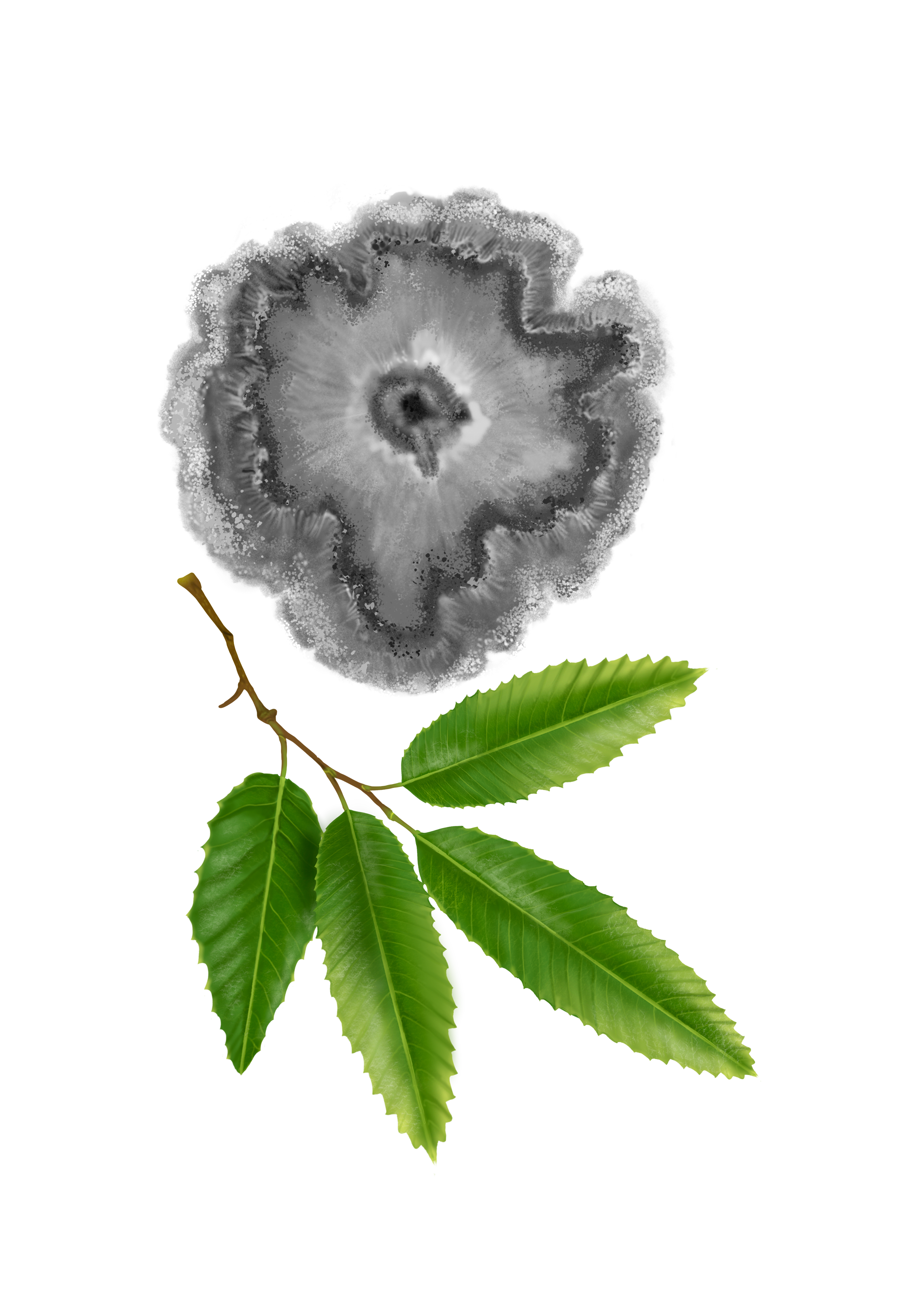
Pine pitch canker
Fusarium circinatum
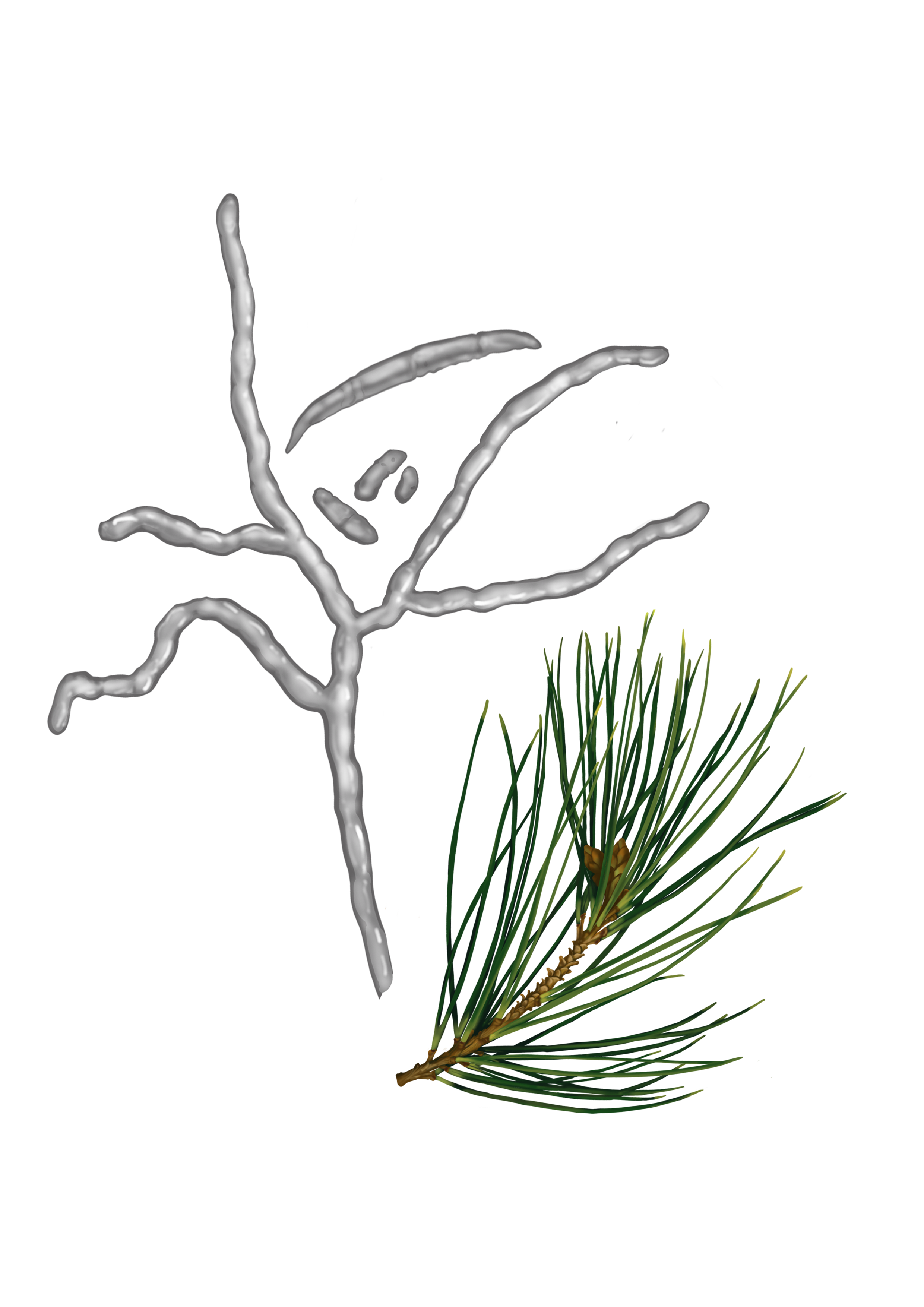
Fusarium circinatum, the causal agent of pine pitch canker, is a major threat to several pine (Pinus) species and other conifers. Originally from the United States, it was discovered in Europe in the mid-1990s. The fungus is regulated under Annex II (part B) of Implementing Regulation 2019/2072.
Partners of FORSAID will seek to improve detection of this species through Fourier Transform Infrared (FT-IR) spectroscopy for stand-level remote sensing.Pine wood nematode
Bursaphelenchus xylophilus
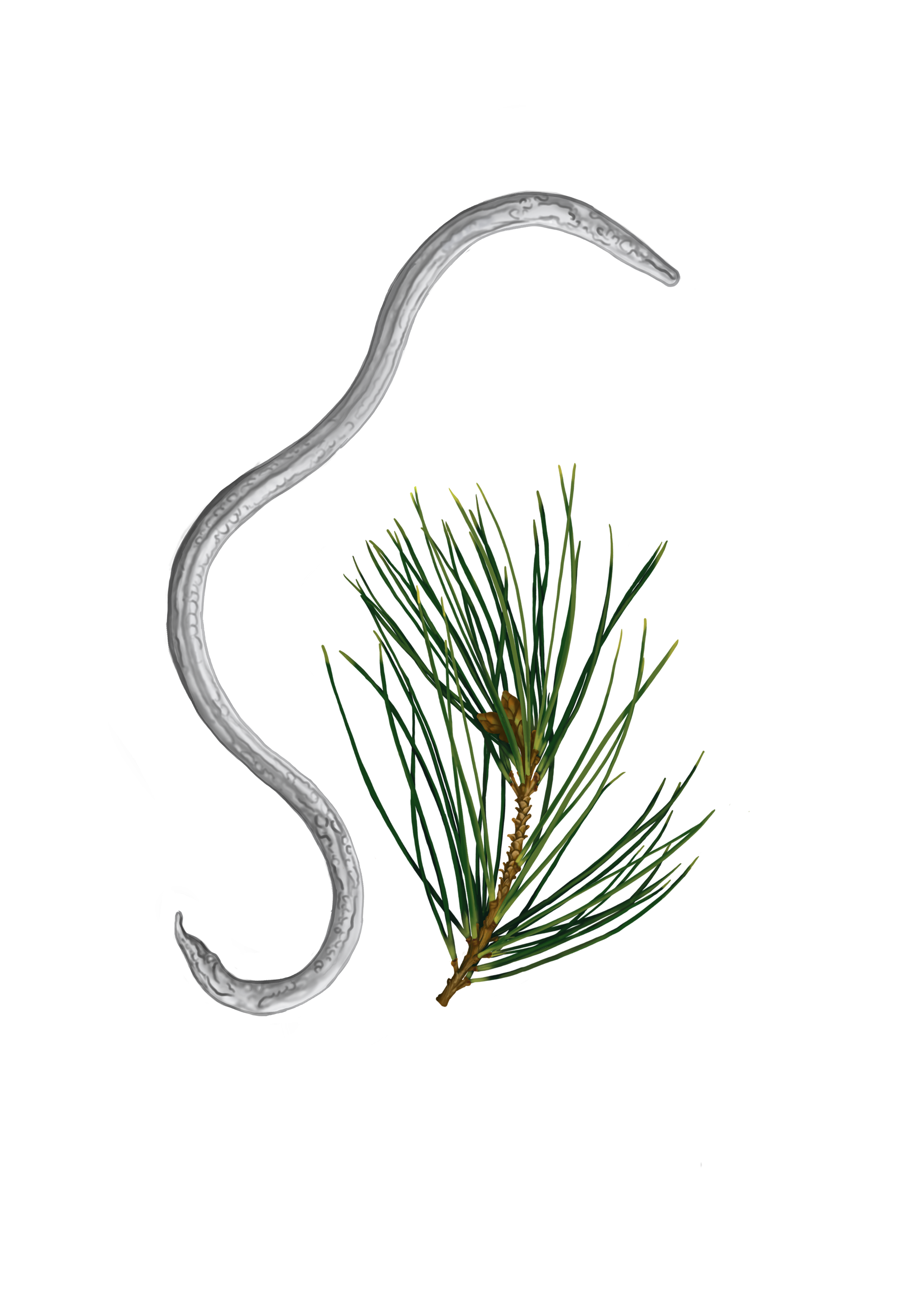
Bursaphelenchus xylophilus is a nematode pest of pine (Pinus) forests. This pathogen is native to North America and invasive in Asia and Europe, where it was first found in Portugal in 1999. In November 2025, an incursion was detected in France as well. It is listed as a priority pest under Regulation 2019/1702 and in Annex II (Part B) of Regulation 2019/2072.
In FORSAID, detection of the nematode will be undertaken at European and stand scales using remote sensing and environmental DNA. The Monochamus longhorn beetle vectors will also be targeted using automatic identification tools.